goose Lands MCP Apps

· 3 min read
Andrew Harvard
Design Engineer

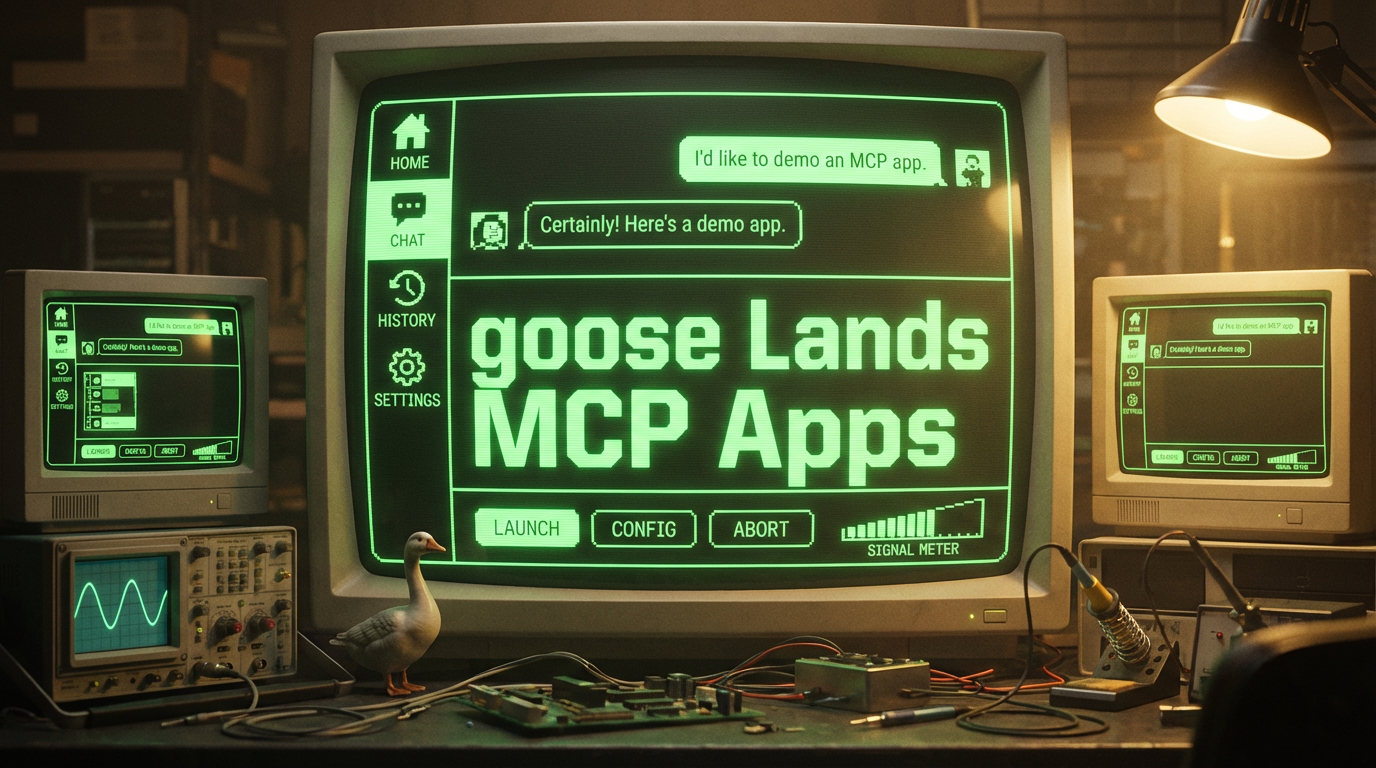
Retro 1980s hardware lab with three CRT monitors displaying "goose Lands MCP Apps" in glowing green text, with a small goose figurine on the desk

The MCP ecosystem is standardizing how servers deliver interactive UIs to hosts, and goose is an early adopter. Today we're shipping support for the draft MCP Apps specification (SEP-1865), bringing goose in line with the emerging standard, as other hosts like Claude and ChatGPT move toward adoption.

How I Taught My Agent My Design Taste

· 8 min read
Rizel Scarlett
Staff Developer Advocate

blog cover

Can you automate taste? The short answer is no, you cannot automate taste, but I did make my design preferences legible.

But for those interested in my experiment, I'll share the longer answer: I wanted to participate in Genuary, the annual challenge where people create one piece of creative coding every day in January.

My goal here wasn't to "outsource" my creativity. Instead, I wanted to use Genuary as a sandbox to learn agentic engineering workflows. These workflows are becoming the standard for how developers work with technology. To keep my skills sharp, I used goose to experiment with these workflows in small, daily bursts.

How We Use goose to Maintain goose

· 7 min read
Rizel Scarlett
Staff Developer Advocate
Tyler Longwell
Security Operations Engineer

blog cover

As AI agents grow in capability, more people feel empowered to code and contribute to open source. The ceiling feels higher than ever. That is a net positive for the ecosystem, but it also changes the day-to-day reality for maintainers. Maintainers like the goose team face a growing volume of pull requests and issues, often faster than they can realistically process.

We embraced this reality and put goose to work on its own backlog.

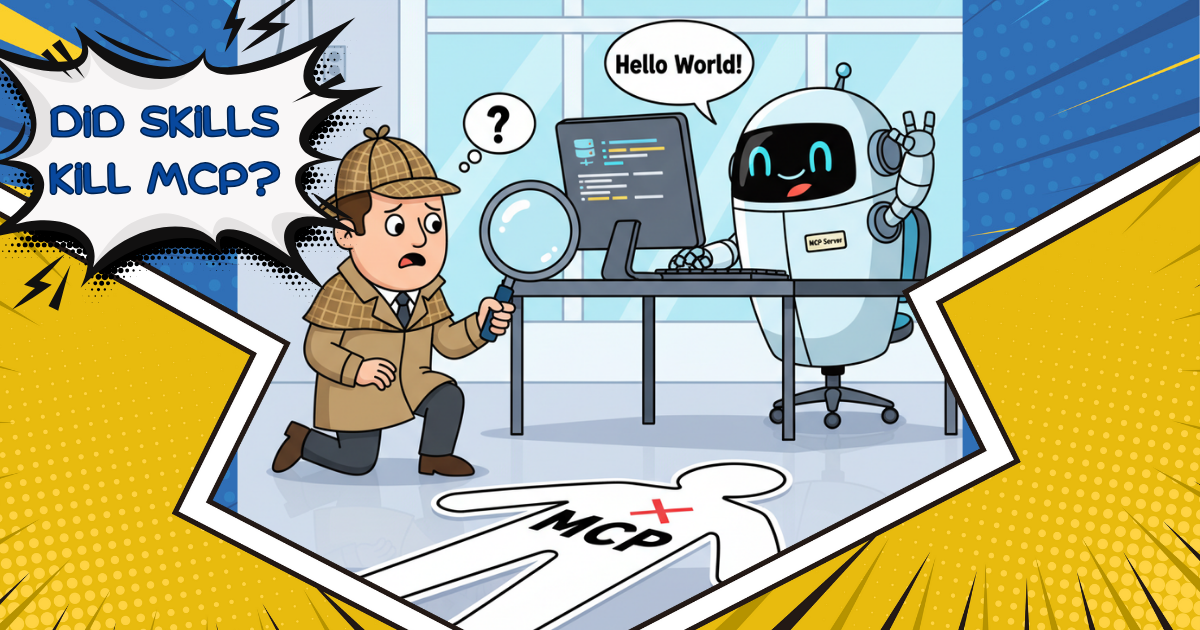
Did Skills Kill MCP?

· 4 min read
Angie Jones
Head of Developer Relations

Every time there's a hot new development in AI, Tech Twitter™ declares a casualty.

This week's headline take is "Skills just killed MCP"

It sounds bold. It sounds confident. It's also wrong.

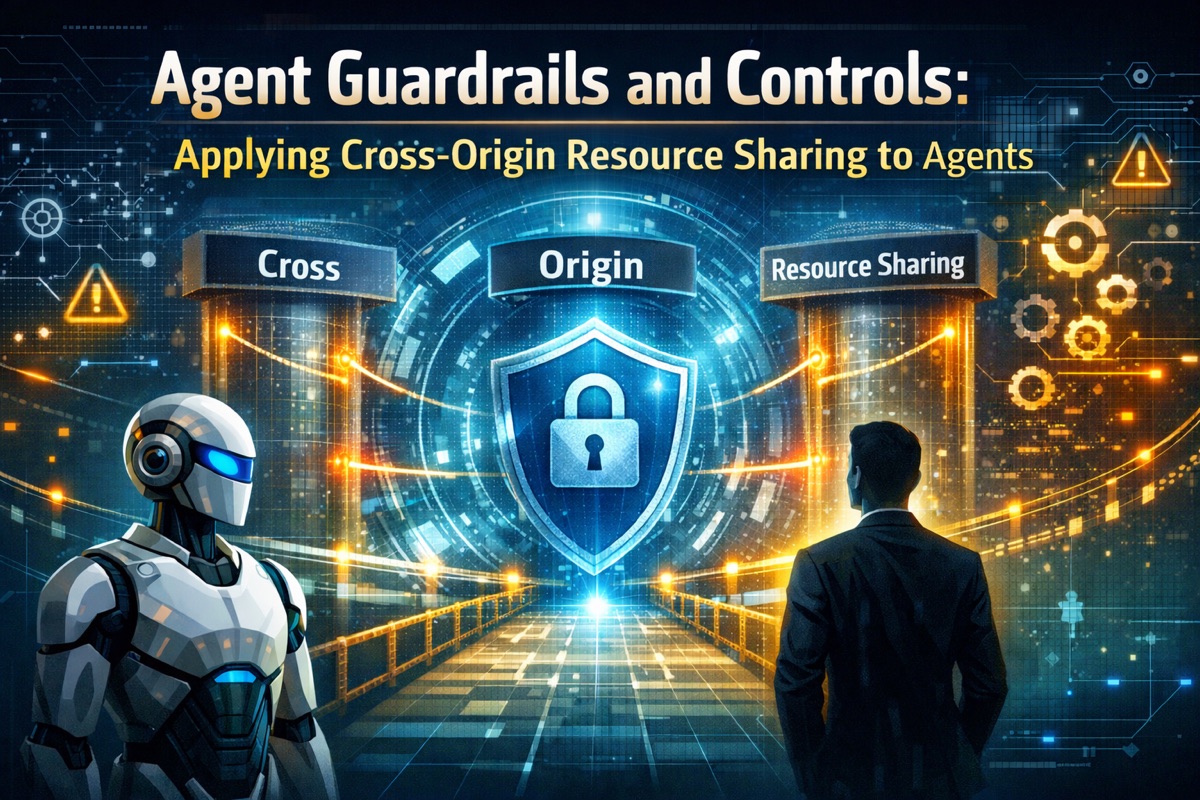
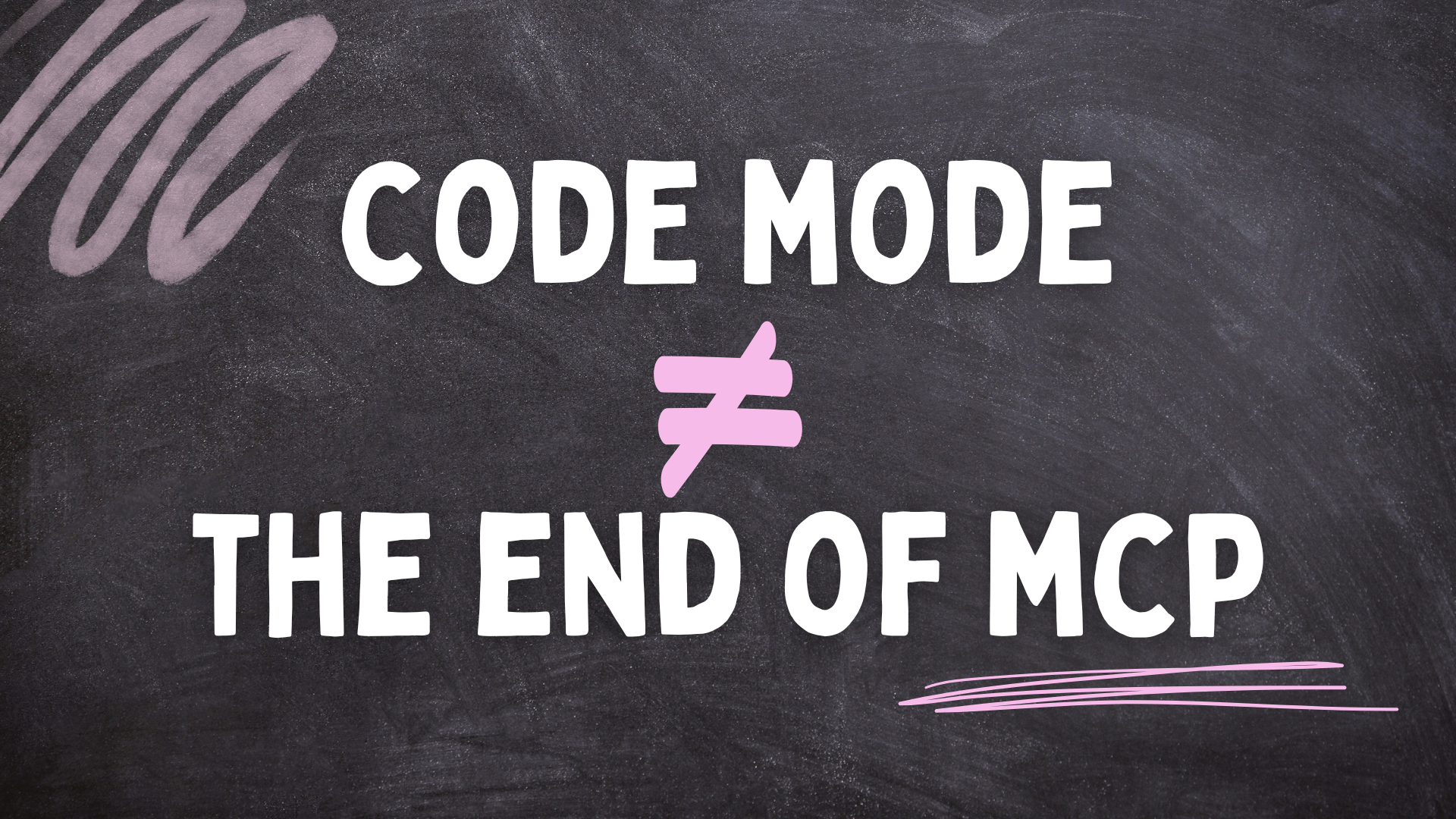
Code Mode Doesn't Replace MCP (Here's What It Actually Does)

· 8 min read
Rizel Scarlett
Staff Developer Advocate

blog cover

One day, we will tell our kids we used to have to wait for agents, but they won't know that world because the agents in their day would be so fast. I joked about this with Nick Cooper, an MCP Steering Committee Member from OpenAI, and Bradley Axen, the creator of goose. They both chuckled at the thought because they understand exactly how clunky and experimental our current "dial-up era" of agentic workflows can feel.

Model Context Protocol (MCP) has moved the needle by introducing a new norm: the ability to connect agents to everyday apps. However, the experience isn't perfect. We are still figuring out how to balance the power of these tools with the technical constraints of the models themselves.

Does Your AI Agent Need a Plan?

· 7 min read
Rizel Scarlett
Staff Developer Advocate

blog cover

To plan or not to plan, that's the wrong question. Rather than a binary yes/no, planning exists on a spectrum. The real question is which approach fits your current task and working style.

Different developers approach planning in different ways. One builder might draft detailed pseudocode before touching a keyboard, while another practices test driven development to let the architecture emerge organically. You'll find teams sketching complex diagrams on whiteboards and others spinning up fast prototypes to "fail fast" and refactor later.

If planning is a spectrum when coding manually, why wouldn't it be a spectrum when using an agent to code as well?

How to Stop Your AI Agent From Making Unwanted Code Changes

· 3 min read
Rizel Scarlett
Staff Developer Advocate

goose, revert this change!

AI agents are often described as brilliant, overeager interns. They're desperate to help, but sometimes that enthusiasm leads to changes you never asked for. This is by design: the large language models powering agents are trained to be helpful. But in code, unchecked helpfulness can create chaos. Even with clear instructions and a meticulous plan, you might hear, "Let me just change this too…" A modification that's either unnecessary or, worse, never surfaced for review.

Sure, you can scour git diff to find and revert issues. But in a multi-step process touching dozens of files, untangling one small, unwanted change becomes a manual nightmare. I've spent hours combing through 70 files to undo a single "helpful" adjustment. Asking the agent to revert is often futile, as conversational memory isn't a snapshot of your codebase.